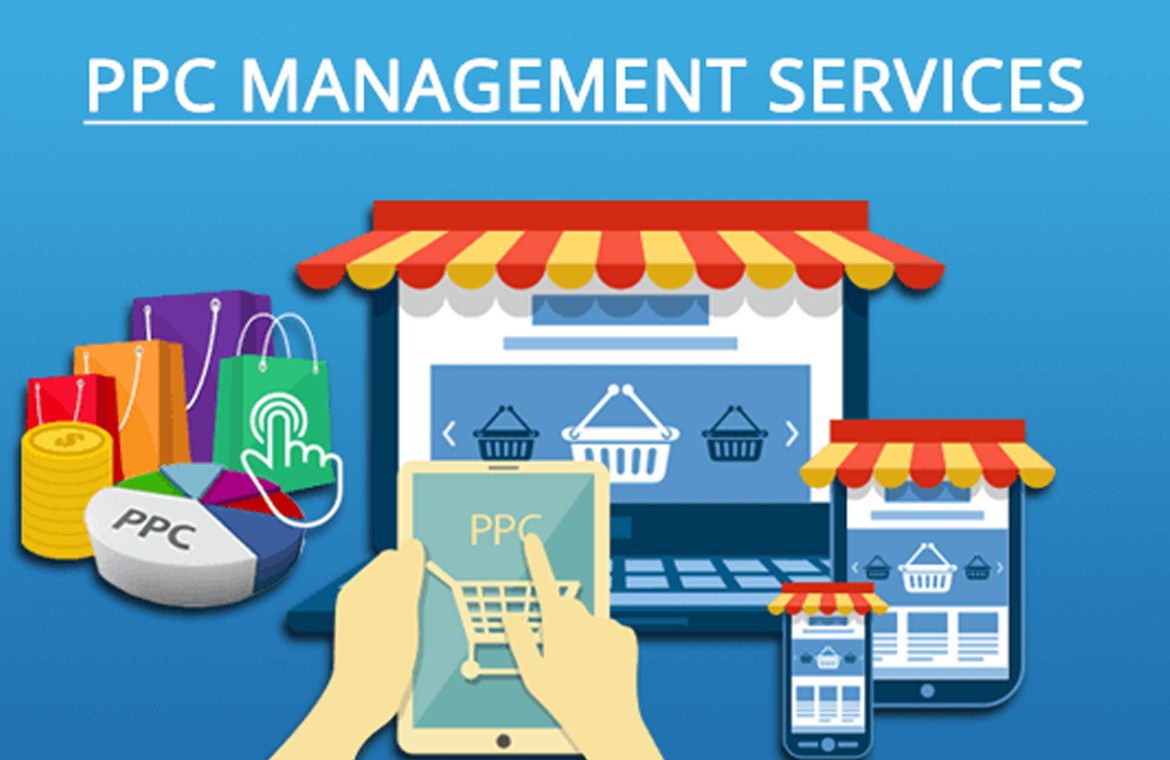
Running a business today means competing for attention in a crowded digital marketplace. Every day, your potential customers scroll past dozens of ads, and only a handful ever get clicked. This is exactly why paid advertising has become such a critical growth lever for companies of every size. But running ads yourself, without expertise, often burns through budget with little to show for it. That’s where IT Insides steps in, offering professional PPC Management Services that help local businesses turn ad spend into real, measurable growth through structured, data-driven strategies. If you’ve ever wondered whether hiring experts is worth it, this article breaks down exactly why professional management matters, what it delivers, and how it can transform your advertising results. Key Takeaways Professional PPC management saves time, money, and reduces costly trial-and-error mistakes. Experts continuously optimize campaigns using real-time data and market trends. Businesses see better click-through rates, lower cost-per-click, and higher conversions. Local expertise matters — understanding your market’s search behavior improves targeting accuracy. Ongoing management ensures your ads adapt to algorithm changes and competitor activity. What Are PPC Management Services in Vadodara PPC management services in Vadodara refer to the specialized handling of pay-per-click advertising campaigns by trained professionals who understand platforms like Google Ads, Bing Ads, and social media advertising networks. Instead of a business owner guessing which keywords to bid on or how much budget to allocate, a dedicated team builds, monitors, and refines campaigns based on performance data. This service typically covers keyword research, ad copywriting, bid strategy, audience targeting, landing page alignment, and continuous performance tracking. The goal is simple: spend less to get more qualified leads and sales. Why Is PPC Important for Businesses? Paid advertising offers something organic marketing cannot — immediate visibility. While SEO takes months to show results, a well-structured PPC campaign can start driving traffic within hours of launch. This speed makes it especially valuable for product launches, seasonal promotions, or businesses entering a competitive market. PPC also offers precise control. You decide exactly who sees your ad based on location, device, time of day, search intent, and even past browsing behavior. This level of targeting means your marketing budget reaches people who are actually likely to buy, rather than being spread thin across an unqualified audience. Additionally, PPC platforms provide detailed analytics. Every click, impression, and conversion gets tracked, giving business owners a clear picture of return on investment. Few other marketing channels offer this level of transparency and accountability. How Does PPC Management Help Businesses? Managing PPC campaigns effectively requires far more than setting a budget and choosing a few keywords. Campaigns need constant attention — bid adjustments, A/B testing of ad copy, negative keyword additions, and landing page refinements all play a role in performance. Professional PPC services in Vadodara help businesses avoid the common pitfalls of self-managed campaigns, such as overspending on broad keywords, ignoring mobile optimization, or failing to exclude irrelevant search terms. Experts monitor campaigns daily, catching inefficiencies before they drain the budget. Beyond damage control, skilled managers actively grow performance over time. They test new ad formats, refine audience segments, and reallocate spend toward what’s working. This ongoing optimization compounds results, meaning campaigns typically get more efficient — not less — the longer they run under expert supervision. What Are the Benefits of Professional Google Ads Management Services Google Ads remains the most widely used PPC platform, and managing it well requires a deep understanding of its auction system, quality score mechanics, and constantly evolving features. Google Ads management services bring several concrete advantages: Higher Quality Scores: Well-optimized campaigns often achieve better ad rankings at lower costs, since Google rewards relevance and click-through performance. Smarter Budget Allocation: Experts identify which campaigns, ad groups, or keywords deliver the best return and shift spend accordingly. Advanced Targeting: Professionals use remarketing lists, custom audiences, and demographic layering to reach high-intent users. Faster Troubleshooting: When performance dips, experienced managers can diagnose the cause quickly, whether it’s a policy issue, a landing page problem, or a bidding strategy misfire. Time Savings: Business owners get back hours each week that would otherwise go toward campaign monitoring and manual adjustments. The Role of PPC Experts in Vadodara Local market knowledge plays a bigger role in advertising success than many business owners realize. PPC experts in Vadodara understand regional search behavior, local competition, seasonal demand shifts, and language nuances that generic, one-size-fits-all campaigns often miss. For example, a restaurant or retail business targeting a local audience benefits enormously from location-based bid adjustments and geo-targeted ad copy that speaks directly to nearby customers. A team familiar with the Vadodara market can craft messaging that resonates culturally and contextually, something an outsourced or automated approach frequently overlooks. This local expertise also extends to competitor analysis. Knowing which local businesses are bidding on similar keywords allows for smarter positioning, whether that means competing head-on or finding underutilized keyword opportunities competitors have missed. Effective PPC Campaign Management Practices Strong PPC campaign management rests on a few core practices that separate high-performing accounts from underperforming ones: Structured Account Organization: Grouping keywords and ads logically improves relevance and Quality Score. Continuous Keyword Refinement: Adding negative keywords and testing new match types keeps spend focused on genuine intent. Ad Copy Testing: Running multiple ad variations reveals which messaging resonates best with your audience. Landing Page Alignment: Ads only convert if the landing page delivers on the promise made in the ad copy. Regular Reporting: Transparent reporting keeps business owners informed and involved in strategic decisions. When these practices are applied consistently, campaigns tend to become progressively more cost-efficient, delivering more conversions for the same or even reduced spend. Choosing the Right Partner for Your Advertising Goals Not every agency or freelancer delivers the same quality of service. When evaluating PPC management services in Vadodara, look for a proven track record, transparent reporting practices, and a team willing to explain their strategy rather than treating campaign management as a black box. Ask potential partners how they handle
Read More
Every website visitor forms an opinion within seconds of landing on a page. That opinion decides whether they stay, explore, and eventually convert, or whether they bounce straight to a competitor. Businesses often pour money into ads and SEO but forget that the website itself is the final checkpoint where conversions actually happen. This is where design stops being decorative and starts working as a business tool. At IT Insides, we work as a UI UX design agency focused on building websites where every layout choice, button placement, and navigation flow ties directly back to one goal: turning visitors into customers. Good design does more than look attractive. It removes friction, builds trust, and guides users toward the actions that matter—whether that’s filling out a form, adding a product to the cart, or booking a call. A strategic approach to UI/UX design ensures that every element of a website serves a purpose while creating a smooth, intuitive experience for visitors. Let’s break down why this discipline matters so much and how it shapes real business outcomes. Key Takeaways UI/UX design directly influences bounce rates, time-on-site, and conversion rates. Clear navigation and visual hierarchy reduce user drop-off during the buying journey. Mobile-first, responsive design is no longer optional for capturing conversions. A/B testing design elements helps identify what actually drives user action. Working with a skilled UI/UX design agency in Vadodara ensures your website aligns with both user expectations and business goals. Shopify store owners benefit heavily from combining strong design with the right development tools and frameworks. Why Businesses Need a Strong UI/UX Design Agency in Vadodara Local businesses expanding online face a common problem: they build a website that looks fine but fails to convert. Working with a dedicated UI/UX design agency in Vadodara changes this equation. A local agency understands regional market behavior, buyer psychology, and design trends that resonate with target audiences, while still applying globally tested UX principles. An experienced team doesn’t just design screens. It maps the entire user journey, identifies friction points, and rebuilds the experience around clarity and speed. This matters because even a one-second delay in page load or a confusing menu structure can push potential customers away before they see what you’re offering. How UI/UX Design Shapes Conversions Design influences conversions in ways that are often invisible to business owners but obvious to users. Consider these elements: Visual Hierarchy guides the eye toward the most important actions first — a call-to-action button, a discount banner, or a signup form. Without this hierarchy, users get lost scanning a page with no clear direction. Load Speed and Performance tie directly into design decisions. Heavy, unoptimized visuals slow pages down, and slow pages lose customers regardless of how good the content looks. Consistency across pages builds trust. When fonts, colors, and button styles stay uniform, users feel they’re interacting with a professional, reliable brand rather than a patched-together site. Accessibility ensures that every visitor, regardless of device or ability, can navigate and complete actions without obstacles. This widens your potential customer base rather than shrinking it. Connecting Design With Shopify Development E-commerce brands face a unique challenge: they need design that converts and a backend that supports scale. This is where Shopify app development services come into the picture. A well-designed storefront paired with the right custom functionality creates a seamless shopping experience from browsing to checkout. Choosing the right Shopify app development platform allows businesses to extend their store’s capabilities adding features like personalized recommendations, loyalty programs, or advanced filtering without compromising the visual experience users already trust. Many store owners ask, “How does Shopify app development work?” In simple terms, developers use Shopify’s APIs and SDKs to build apps that plug directly into a store’s admin panel or storefront, adding functionality that isn’t available out of the box. This process usually starts with identifying a gap in the store’s current setup, then building, testing, and deploying an app that fills that gap. Another common question is, “What tools are used for Shopify app development?” Developers typically rely on Shopify CLI, Node.js, React, GraphQL APIs, and Shopify’s own app bridge to build and connect apps to a merchant’s store. Selecting the right combination of Shopify app development tools determines how smoothly the app performs alongside the store’s design. For brands with very specific needs, Shopify custom app development offers a way to build features tailored exactly to their workflow, something pre-built apps from the app store rarely achieve. Pairing this with a solid Shopify app development framework keeps the codebase maintainable as the store grows and adds more features over time. Design and Development as a Combined Strategy Design and development can’t operate in silos if conversions are the goal. A stunning interface with weak backend support frustrates users through slow load times or broken features. Meanwhile, a technically solid store with poor design fails to hold user attention long enough to convert. The businesses that win online treat both as one connected strategy, testing and refining continuously based on real user behavior. This is exactly the gap a capable UI/UX design agency in Vadodara fills bridging aesthetic design with functional development so the two support rather than compete with each other. Whether it’s a landing page redesign or a full Shopify store build, the principle stays the same: design decisions should always trace back to measurable business outcomes. If you’re rethinking your website’s design or planning a Shopify store upgrade, working with a team that understands both sides of this equation saves time and avoids costly redesigns later. IT Insides brings this combined expertise to the table, helping brands build websites and stores that don’t just look good but actually perform. Reach out to discuss where your current design might be losing conversions and how the right fixes can turn things around. FAQ 1. How long does a UI/UX redesign typically take? Most redesigns take anywhere from three to eight weeks, depending on the website’s size, the number of pages involved,
Read More
Shopify powers millions of online stores, and merchants constantly search for ways to extend their functionality. This growing demand pushes developers and businesses toward building custom solutions that solve real merchant problems. Before you dive in, you need to understand the platform’s structure, its tools, and the process that shapes a successful app. This guide breaks down the seven essentials every founder, developer, or business owner should know before starting this journey. Key Takeaways Shopify app development follows a structured framework with specific technical requirements. Choosing the right tools and platform features determines your app’s performance and scalability. Partnering with an experienced Shopify app development company saves time and reduces costly mistakes. Understanding the approval process helps you launch faster on the Shopify App Store. Custom apps solve niche problems that off-the-shelf solutions can’t address. Ongoing support and updates keep your app aligned with Shopify’s evolving ecosystem. Working with a skilled Shopify app development company gives you a head start, since these teams already understand the platform’s architecture, APIs, and compliance rules. They help you avoid common pitfalls that slow down first-time developers and ensure your app meets Shopify’s technical standards from day one. 1. Understand the Shopify App Development Platform Shopify offers a robust Shopify app development platform built on REST and Graph QL APIs, webhooks, and app extensions. This platform lets developers build apps that integrate directly into a merchant’s admin panel or storefront. You need to register your app through the Shopify Partner Dashboard, set up authentication using OAuth, and follow Shopify’s API rate limits. Getting familiar with this ecosystem early prevents rework later and gives you a clear picture of what your app can and cannot do within Shopify’s guardrails. 2. Know How Shopify App Development Works It starts with identifying a problem merchants face, then building a solution using Shopify’s CLI, APIs, and app bridge. Developers create the app in a sandbox development store, test features, and connect the app to Shopify’s backend through secure API calls. Once testing wraps up, the app moves through Shopify’s review process before going live. This workflow keeps development structured and reduces the chances of releasing a buggy or non-compliant app. 3. Choose the Right Shopify App Development Tools Selecting the correct Shopify app development tools shapes how smoothly your project moves forward. Shopify CLI, Polaris design system, App Bridge, and Liquid templating language form the backbone of most projects. Developers also rely on Node.js, React, and Ruby on Rails for backend and frontend work. These tools help maintain consistency with Shopify’s native look and feel while giving developers flexibility to add custom logic. Picking tools that align with Shopify’s recommended stack reduces compatibility issues down the line. 4. Decide Between Public and Custom Apps Shopify supports two primary app types: public apps listed on the App Store and custom apps built for a single merchant. Shopify custom app development suits businesses with unique workflows that generic apps can’t handle, such as specialized inventory systems or proprietary checkout logic. Public apps, on the other hand, target a broader audience and require stricter compliance with Shopify’s listing standards. Knowing which path fits your goals early saves you from restructuring your app halfway through development. 5. Learn the Shopify App Development Framework Every app built for Shopify follows a defined Shopify app development framework that includes authentication, data storage, webhook handling, and billing integration. Shopify requires apps to use OAuth 2.0 for secure merchant authentication and mandates GDPR-compliant data handling. Billing APIs let developers charge merchants through subscriptions, usage fees, or one-time payments directly within Shopify’s system. Following this framework closely ensures your app passes Shopify’s review and operates smoothly across different store configurations. 6. Explore Shopify App Development Services for Faster Delivery Many businesses turn to professional Shopify app development services instead of building in-house teams from scratch. These services cover everything from UI/UX design to backend architecture, testing, and post-launch maintenance. Agencies bring experience across multiple industries, which helps them anticipate edge cases that first-time developers often miss. Outsourcing this work also frees internal teams to focus on core business operations while experts handle technical execution. 7. Identify What Tools Support Long-Term Maintenance What tools are used for Shopify app development? Beyond initial build tools, developers need monitoring systems, version control (Git), automated testing frameworks, and CI/CD pipelines for continuous deployment. Shopify frequently updates its APIs and deprecates older versions, so maintaining an app requires ongoing attention. Setting up proper logging and error-tracking tools from the start makes it easier to catch issues before they affect merchants using your app. Businesses that skip proper planning often face delays, security gaps, or rejected app submissions. Partnering with a reliable Shopify app development company connects you with developers who already understand Shopify’s technical requirements, design standards, and review process. This reduces guesswork and speeds up your path from idea to a fully functional, published app. If you’re weighing your options for building a Shopify app that actually performs, it helps to talk through your requirements with a team that builds these solutions regularly. IT Insides works with businesses looking to turn their app ideas into functional, scalable Shopify solutions, handling everything from initial architecture to post-launch support. Reaching out for a quick consultation can clarify your scope, timeline, and budget before you commit to a development path. FAQs Q1. How long does it take to build a Shopify app? Timelines vary based on complexity, but simple apps typically take 4-8 weeks, while feature-rich apps can take three months or longer. Q2. Do I need coding experience to build a Shopify app? Basic apps can be built with limited coding knowledge using Shopify’s tools, but custom, feature-heavy apps require experienced developers familiar with APIs and backend logic. Q3. What’s the difference between a public and custom Shopify app? Public apps are listed on the Shopify App Store for any merchant to install, while custom apps are built exclusively for one store’s specific needs. Q4. How much does Shopify app development cost?
Read More
Running a WordPress website often feels smooth until something suddenly breaks. A plugin conflict slows the site down, a theme update triggers a white screen, or a security scanner flags malware overnight. These moments create stress for business owners who depend on their website for leads, sales, and credibility. This is exactly where a WordPress development company steps in and takes control of the situation. A skilled team doesn’t just patch the visible symptom. It investigates the root cause, applies a permanent fix, and strengthens the site so the same problem doesn’t return. At IT Insides, this approach forms the foundation of how website issues get resolved quickly and correctly, without disrupting the everyday operations of a business. Key Takeaways A WordPress development company diagnoses root causes instead of applying temporary fixes. Professional WordPress development services cover bug fixing, security, speed, and long-term maintenance. Regular WordPress website maintenance prevents most technical issues before they start. WordPress bug fixing requires structured testing, not guesswork. WordPress website optimization directly affects rankings, conversions, and user experience. Reliable WordPress technical support gives businesses peace of mind and faster recovery times. Why Businesses Turn to a WordPress Development Company Websites built on WordPress rely on a mix of themes, plugins, custom code, and hosting configurations. When even one of these elements changes, conflicts can appear. Many site owners try to fix problems using generic tutorials, but this often leads to bigger complications, lost data, or extended downtime. A WordPress development company brings structured processes, testing environments, and technical expertise that self-troubleshooting simply cannot match. Instead of trial and error, developers isolate the exact source of an issue using logs, debugging tools, and staging environments. This method reduces the risk of breaking other parts of the site while solving the original problem. Common WordPress Website Issues That Need Expert Attention Before understanding how issues get solved, it helps to recognize what typically goes wrong on a WordPress site: White screen of death after an update Broken layouts due to theme or plugin conflicts Slow loading speed affecting bounce rates Security breaches, malware injections, or blacklisting Login errors or locked admin access Broken links, missing images, or database errors Compatibility issues after a PHP or WordPress core update Each of these problems has a different cause, which is why cookie-cutter solutions rarely work for everyone. How WordPress Development Services Solve These Problems Professional WordPress development services follow a structured troubleshooting method rather than random fixes. Here’s how the process typically unfolds: 1. Diagnosis Through Testing Developers first replicate the issue in a staging environment. This allows them to test fixes safely without affecting the live website. Error logs, browser console messages, and server response codes help narrow down the exact source. 2. WordPress Bug Fixing With Code-Level Precision Once the cause is identified, WordPress bug fixing begins. This may involve correcting a broken function, updating deprecated code, resolving a plugin conflict, or repairing a corrupted database table. Skilled developers document each fix, ensuring the site remains stable for future updates. 3. Security Checks and Malware Removal If the issue involves a breach, developers scan every file and database entry for injected scripts. They remove malicious code, patch vulnerable entry points, update security keys, and reinforce login protection through firewalls and two-factor authentication. 4. WordPress Website Optimization Fixing bugs alone isn’t enough if the site still loads slowly. WordPress website optimization includes image compression, caching setup, database cleanup, and script minification. These steps improve Core Web Vitals scores, which directly affect both user experience and search engine rankings. 5. Ongoing WordPress Website Maintenance After resolving the immediate issue, a development company sets up WordPress website maintenance plans. This includes scheduled backups, plugin and core updates, uptime monitoring, and periodic security audits. Maintenance prevents small glitches from turning into major failures later. How to Fix WordPress Website Issues the Right Way Business owners often ask how to fix WordPress website issues without risking further damage. The safest approach follows these steps: Take a full backup before making any changes. Identify recent updates, plugin installs, or theme changes that may have triggered the issue. Test changes in a staging site rather than directly on the live server. Use debugging tools to pinpoint PHP errors or conflicts. Apply fixes incrementally and test after each change. Monitor the site for 24-48 hours after resolving the issue to confirm stability. Following this structured method significantly reduces the chances of recurring problems. The Role of WordPress Technical Support Even after a website issue gets resolved, ongoing WordPress technical support remains valuable. Websites face constant changes: new WordPress core releases, plugin updates, hosting migrations, and evolving security threats. Having a support team on standby means businesses get quick responses when something unexpected happens, rather than scrambling to find help during a crisis. Reliable support also includes performance monitoring, so issues get detected and resolved before visitors ever notice a problem. This proactive approach saves both time and revenue for businesses that depend heavily on their online presence. Choosing the Right WordPress Development Company Not every provider delivers the same level of service. Businesses should look for a team that offers transparent communication, documented fixes, and long-term support rather than one-time patchwork. A trustworthy WordPress development company explains what went wrong, what was fixed, and what steps will prevent the issue from happening again. IT Insides works with businesses that need dependable WordPress support, from urgent bug fixes to full-scale maintenance plans. Website owners who want fewer disruptions and faster resolutions often find it useful to have a technical partner ready before problems escalate, rather than searching for help during an active crisis. Frequently Asked Questions Q1: How quickly can a WordPress development company fix a broken website? Most common issues, such as plugin conflicts or white screen errors, get resolved within a few hours once the root cause is identified. Complex security breaches may take longer due to thorough malware removal and system hardening. Q2: Do I need ongoing maintenance if my website is
Read More
Choosing the right Digital Marketing Agency can make or break your brand’s online growth. Businesses today spend hours comparing agencies, reading reviews, and asking friends for referrals, yet many still end up with a team that overpromises and underdelivers. This guide breaks down exactly what separates a mediocre agency from a truly exceptional one, so you can make a confident decision. At IT Insides, we’ve worked with dozens of local businesses and seen firsthand what actually moves the needle for growth. Key Takeaways A strong agency combines strategy, creativity, and data analysis to drive measurable results. Transparency and clear reporting build long-term trust between clients and agencies. Industry experience and niche expertise matter more than flashy portfolios. The right agency adapts its approach based on your business size, goals, and budget. Communication and responsiveness are often the biggest predictors of a successful partnership. Finding the best digital marketing agency in Vadodara requires looking beyond glossy websites and client logos. You need a partner who understands your market, your audience, and your growth targets. Below are eight qualities that genuinely separate top performers from the rest. 1. Proven Track Record of Results A trustworthy agency shows real case studies, not vague claims. Ask for specific numbers: traffic growth, conversion rates, return on ad spend, and lead generation figures. Agencies that hesitate to share performance data usually have something to hide. Look for consistency across multiple industries rather than a single lucky campaign. 2. Deep Understanding of Local Markets Local knowledge changes everything. An agency offering digital marketing services in Vadodara understands regional search behavior, competitor positioning, and cultural nuances that a generic national firm might miss. This local insight helps campaigns feel relevant and resonate with the audience you’re actually trying to reach. 3. Customized Strategies, Not Templates Cookie-cutter packages rarely work for every business. The best teams build strategies around your specific goals, whether that’s brand awareness, lead generation, or e-commerce sales. A capable digital marketing agency for small businesses designs scalable plans that grow alongside the company, adjusting budgets and channels as needs evolve. 4. Transparent Reporting and Communication Reporting shouldn’t feel like a black box. Agencies worth hiring send regular updates, explain what the numbers mean, and answer questions directly instead of hiding behind jargon. Ask potential partners how often they report results and whether you’ll get direct access to campaign dashboards. Clear communication prevents misunderstandings and builds a healthier working relationship over time. 5. Skilled, Multi-Disciplinary Team Digital marketing spans SEO, paid advertising, content creation, social media, and web design. A single specialist can’t cover all these areas effectively. The strongest teams bring together digital marketing experts in Vadodara who each focus on their craft, then collaborate on unified campaigns that support one another rather than working in silos. 6. Data-Driven Decision Making Guesswork has no place in modern marketing. Agencies should track key metrics constantly and adjust strategies based on what the data shows, not personal opinions. This includes A/B testing ad creatives, analyzing user behavior on landing pages, and refining targeting parameters. Data-driven teams catch underperforming campaigns early and pivot before budgets get wasted. 7. Strong Portfolio Across Industries Reviewing past work reveals an agency’s versatility. Firms that have handled healthcare, retail, hospitality, and B2B clients demonstrate adaptability. This variety signals they can tailor strategies to different buyer journeys instead of applying one formula everywhere. Ask to see examples relevant to your specific industry whenever possible. The best agencies think beyond the next invoice. They invest time in understanding your brand voice, business goals, and customer pain points, treating campaigns as an ongoing relationship rather than a one-off project. This mindset shows up in proactive suggestions, regular strategy reviews, and a genuine interest in your company’s growth trajectory. 8. Long-Term Partnership Mindset The best agencies think beyond the next invoice. They invest time in understanding your brand voice, business goals, and customer pain points, treating campaigns as an ongoing relationship rather than a one-off project. This mindset shows up in proactive suggestions, regular strategy reviews, and a genuine interest in your company’s growth trajectory. How Does a Digital Marketing Agency Help? It handles the technical and creative heavy lifting so business owners can focus on running operations. Agencies manage website optimization, run targeted ad campaigns, create engaging content, monitor analytics, and refine strategies continuously. This support saves time, reduces costly trial-and-error, and typically produces faster, more measurable growth than handling marketing internally without specialized expertise. Working with a skilled digital marketing agency in Vadodara also means gaining access to tools and platforms that many small businesses can’t afford or manage on their own, from advanced analytics suites to premium advertising accounts. This levels the playing field against larger competitors. Questions Worth Asking Before You Sign Before committing to any agency, ask about their reporting frequency, contract flexibility, team structure, and how they measure success for businesses similar to yours. Request references from current clients and check whether their communication style matches your expectations. These small checks often reveal more than a sales pitch ever will. Ready to work with a team that checks every one of these boxes? IT Insides brings local market knowledge, a multi-disciplinary team, and transparent reporting together under one roof. Reach out today, share your business goals, and let’s map out a strategy built specifically for your growth targets — no generic templates, just a plan designed around what your business actually needs. Frequently Asked Questions Q1: How do I know if a digital marketing agency is right for my business? Look at their case studies, ask for references, and check whether their communication style and reporting process match your expectations before signing any contract. Q2: What services should a full-service digital marketing agency offer? A complete agency typically covers SEO, paid advertising, social media management, content marketing, web design, and analytics reporting under one roof. Q3: How long does it take to see results from digital marketing? Paid campaigns can show results within weeks, while SEO and content strategies
Read More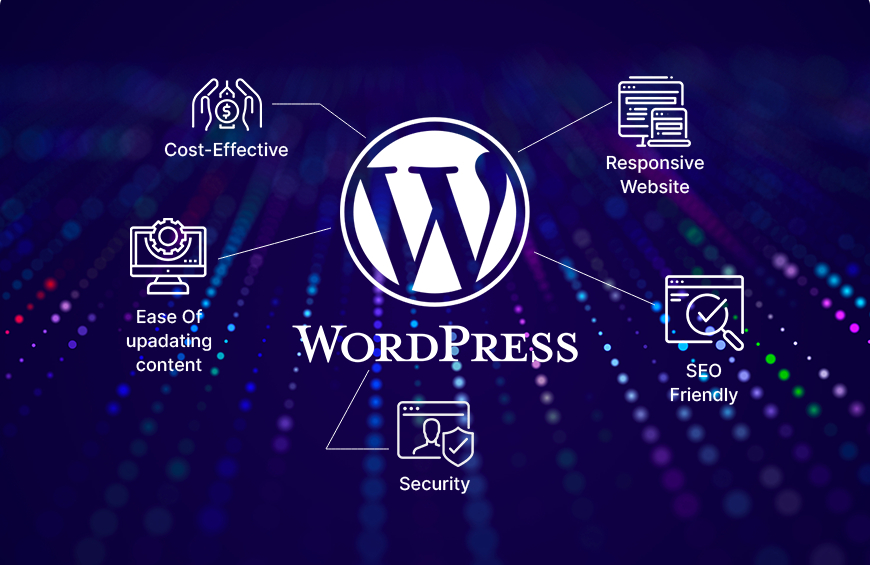
Businesses today build their online presence on a foundation that needs to load fast, rank well, and convert visitors into customers. A skilled WordPress development company turns your website into a growth engine rather than a static brochure. At IT Insides, we help brands transform outdated or underperforming sites into fast, secure, and lead-generating platforms through expert WordPress website development. This article breaks down seven concrete ways partnering with the right WordPress development company drives measurable business results. Key Takeaways A WordPress development company builds scalable, secure websites tailored to your business goals. Professional WordPress development services improve site speed, SEO, and user experience. Ongoing WordPress website maintenance prevents downtime, security breaches, and lost revenue. WordPress performance optimization directly increases conversions and search rankings. Strategic WordPress website development helps you generate more qualified leads. Working with a WordPress development company saves internal time and reduces long-term technical debt. 1. They Build a Website That Matches Your Business Goals A generic template rarely serves a growing business well. A dedicated WordPress development company studies your industry, audience, and sales funnel before writing a single line of code. Their WordPress website development process maps out user journeys, designs intuitive navigation, and structures pages around your actual conversion goals — whether that’s form submissions, product purchases, or appointment bookings. This planning phase eliminates guesswork and ensures every page serves a purpose. 2. They Deliver Professional WordPress Development Services Custom WordPress development services go far beyond installing a theme. Developers build custom plugins, integrate third-party tools like CRMs and payment gateways, and create reusable components that scale as your business expands. This level of craftsmanship, offered by an experienced WordPress development company, means your site can support new features — membership areas, booking systems, multilingual content — without a costly rebuild down the road. How Can a WordPress Development Company Grow Your Business? The core value of a WordPress development company lies in combining technical execution with business strategy. A qualified partner doesn’t just make a site look good; they engineer it to load quickly, rank on search engines, and guide visitors toward action. Through consistent WordPress performance optimization and continuous testing, they track analytics, run A/B tests on landing pages, and refine layouts based on real user behavior. This ongoing improvement cycle is what separates a static website from one that actively contributes to revenue. 3. They Strengthen WordPress Website Development for Better UX WordPress offers flexible page builders, responsive themes, and accessibility-friendly components that make WordPress website development easier and more effective for business owners. A skilled team fine-tunes typography, spacing, and mobile responsiveness so visitors find information effortlessly. Clear calls to action, fast-loading pages, and logical menu structures reduce bounce rates and keep users engaged longer, which search engines reward with better rankings. 4. They Prioritize WordPress Performance Optimization Site speed influences both rankings and conversions. Professionals apply WordPress performance optimization techniques such as image compression, caching, database cleanup, and content delivery network integration. They also audit plugins for bloat and remove anything slowing down load times. A one-second delay can cost sales, so this focus on WordPress performance optimization pays for itself through improved retention and lower bounce rates. 5. They Provide Ongoing WordPress Website Maintenance Launching a site is only the beginning. Regular WordPress website maintenance — core updates, plugin patches, malware scans, and automated backups — keeps your site secure and functional. Skipping WordPress website maintenance invites vulnerabilities that hackers exploit, and unpatched sites often suffer downtime that directly hurts revenue and customer trust. A maintenance plan gives you peace of mind while your team focuses on running the business. 6. They Help Generate More Qualified Leads Lead generation improves when forms are strategically placed, landing pages are optimized for specific campaigns, and calls to action speak directly to visitor intent. A capable WordPress development company integrates lead-capture tools, sets up conversion tracking, and designs pop-ups or exit-intent offers that don’t feel intrusive. Combined with SEO-friendly WordPress website development, these elements turn casual browsers into qualified prospects your sales team can pursue. 7. They Prove Why WordPress Is a Smart Business Platform WordPress powers a significant share of websites worldwide because it balances flexibility, affordability, and scalability. It supports everything from small service-based businesses to large e-commerce operations, and its open-source ecosystem means you’re never locked into a single vendor. With the right WordPress development company, WordPress becomes a platform that grows alongside your business rather than one you outgrow. Choosing the right WordPress development company shapes whether your website becomes an asset or a liability. From initial strategy through ongoing WordPress performance optimization, expert guidance ensures your site performs at every stage of the customer journey. If your current website feels slow, outdated, or disconnected from your business goals, a conversation with a team like IT Insides can reveal exactly where the gaps are and how to close them — before those gaps start costing you leads and revenue. FAQs What does a WordPress development company actually do? A WordPress development company designs, builds, secures, and maintains WordPress websites, handling everything from custom coding to plugin integration and ongoing technical support. How long does WordPress website development typically take? Timelines vary by complexity, but most WordPress website development projects take four to ten weeks from planning to launch, depending on custom features and content readiness. Do I need WordPress website maintenance if my site rarely changes? Yes. Security patches, plugin updates, and backups are necessary even for static sites, since vulnerabilities can be exploited regardless of how often content changes. Can WordPress performance optimization really impact SEO rankings? Absolutely. Search engines factor in page speed and user experience signals, so WordPress performance optimization tends to improve rankings and retain visitors longer. Is WordPress suitable for e-commerce businesses? Yes, with plugins like WooCommerce, WordPress supports full-featured online stores, including inventory management, payment processing, and shipping integrations — all handled well by an experienced WordPress development company.
Read More