
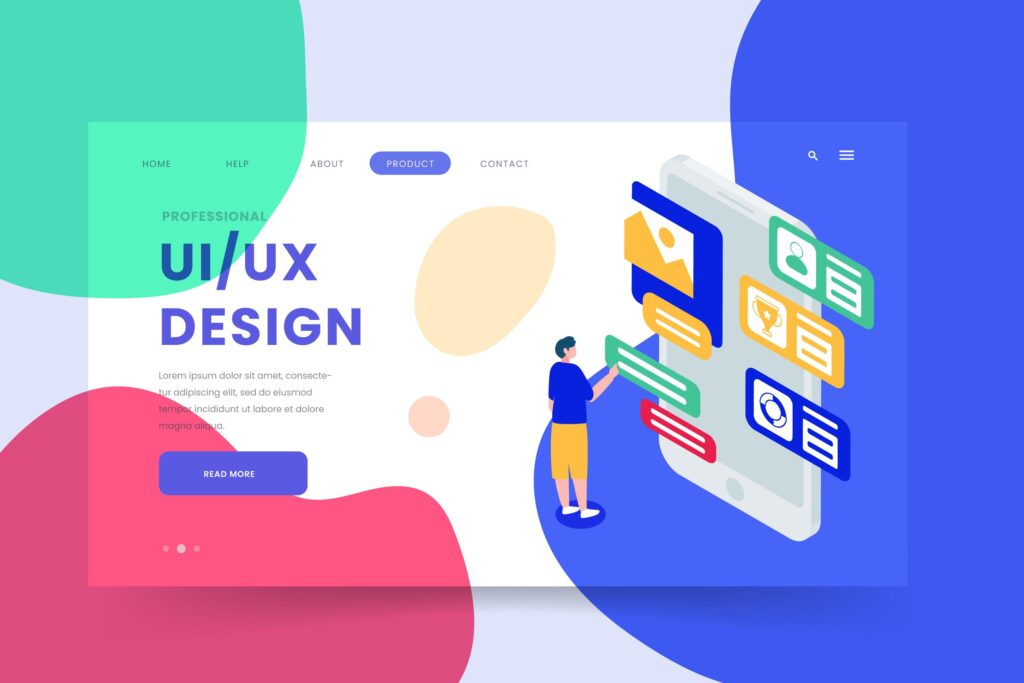
Every website visitor forms an opinion within seconds of landing on a page. That opinion decides whether they stay, explore, and eventually convert, or whether they bounce straight to a competitor. Businesses often pour money into ads and SEO but forget that the website itself is the final checkpoint where conversions actually happen. This is where design stops being decorative and starts working as a business tool. At IT Insides, we work as a UI UX design agency focused on building websites where every layout choice, button placement, and navigation flow ties directly back to one goal: turning visitors into customers.
Good design does more than look attractive. It removes friction, builds trust, and guides users toward the actions that matter—whether that’s filling out a form, adding a product to the cart, or booking a call. A strategic approach to UI/UX design ensures that every element of a website serves a purpose while creating a smooth, intuitive experience for visitors. Let’s break down why this discipline matters so much and how it shapes real business outcomes.
Key Takeaways
- UI/UX design directly influences bounce rates, time-on-site, and conversion rates.
- Clear navigation and visual hierarchy reduce user drop-off during the buying journey.
- Mobile-first, responsive design is no longer optional for capturing conversions.
- A/B testing design elements helps identify what actually drives user action.
- Working with a skilled UI/UX design agency in Vadodara ensures your website aligns with both user expectations and business goals.
- Shopify store owners benefit heavily from combining strong design with the right development tools and frameworks.
Why Businesses Need a Strong UI/UX Design Agency in Vadodara
Local businesses expanding online face a common problem: they build a website that looks fine but fails to convert. Working with a dedicated UI/UX design agency in Vadodara changes this equation. A local agency understands regional market behavior, buyer psychology, and design trends that resonate with target audiences, while still applying globally tested UX principles.
An experienced team doesn’t just design screens. It maps the entire user journey, identifies friction points, and rebuilds the experience around clarity and speed. This matters because even a one-second delay in page load or a confusing menu structure can push potential customers away before they see what you’re offering.
How UI/UX Design Shapes Conversions
Design influences conversions in ways that are often invisible to business owners but obvious to users. Consider these elements:
Visual Hierarchy guides the eye toward the most important actions first — a call-to-action button, a discount banner, or a signup form. Without this hierarchy, users get lost scanning a page with no clear direction.
Load Speed and Performance tie directly into design decisions. Heavy, unoptimized visuals slow pages down, and slow pages lose customers regardless of how good the content looks.
Consistency across pages builds trust. When fonts, colors, and button styles stay uniform, users feel they’re interacting with a professional, reliable brand rather than a patched-together site.
Accessibility ensures that every visitor, regardless of device or ability, can navigate and complete actions without obstacles. This widens your potential customer base rather than shrinking it.
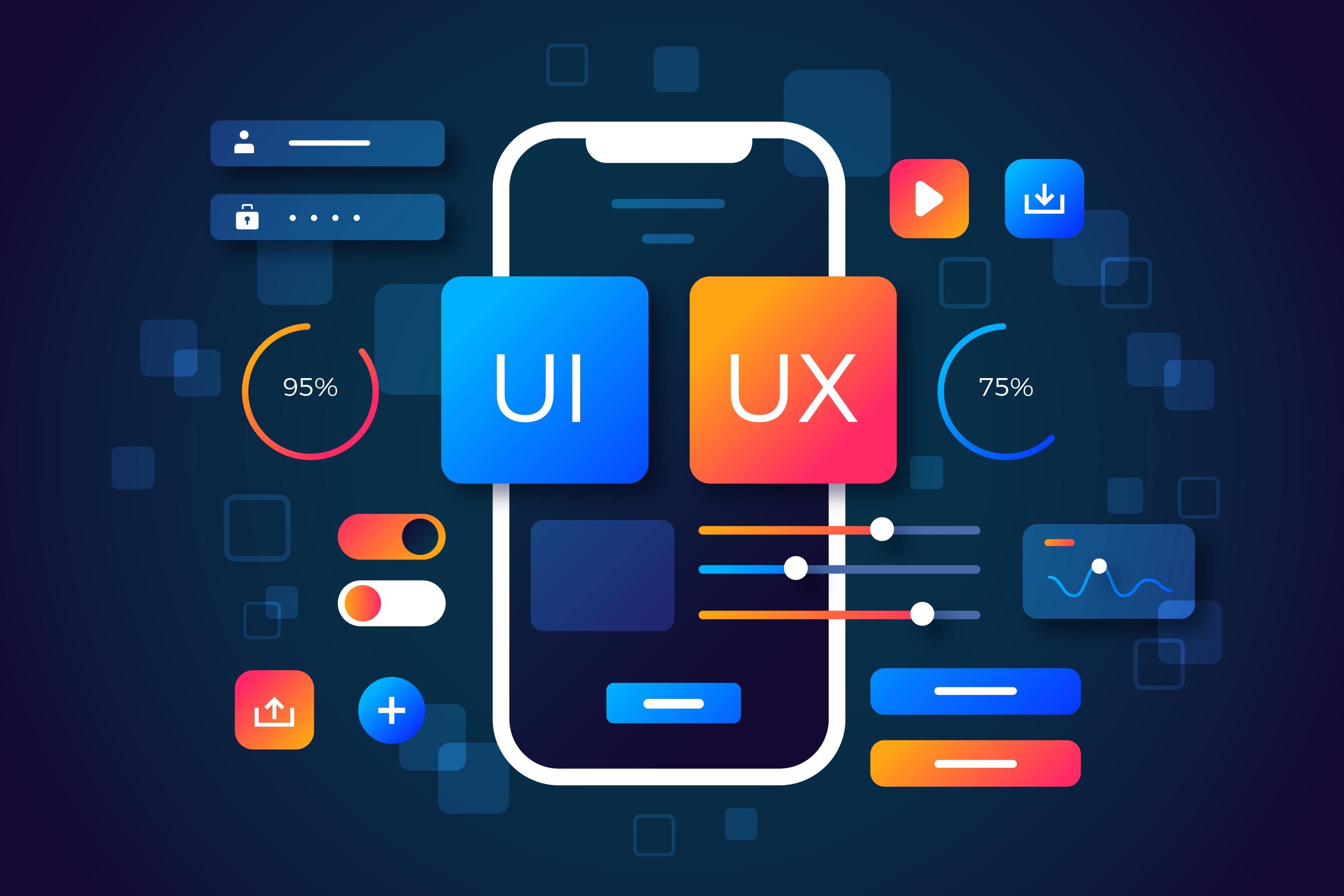
Connecting Design With Shopify Development
E-commerce brands face a unique challenge: they need design that converts and a backend that supports scale. This is where Shopify app development services come into the picture. A well-designed storefront paired with the right custom functionality creates a seamless shopping experience from browsing to checkout.
Choosing the right Shopify app development platform allows businesses to extend their store’s capabilities adding features like personalized recommendations, loyalty programs, or advanced filtering without compromising the visual experience users already trust.
Many store owners ask, “How does Shopify app development work?” In simple terms, developers use Shopify’s APIs and SDKs to build apps that plug directly into a store’s admin panel or storefront, adding functionality that isn’t available out of the box. This process usually starts with identifying a gap in the store’s current setup, then building, testing, and deploying an app that fills that gap.
Another common question is, “What tools are used for Shopify app development?” Developers typically rely on Shopify CLI, Node.js, React, GraphQL APIs, and Shopify’s own app bridge to build and connect apps to a merchant’s store. Selecting the right combination of Shopify app development tools determines how smoothly the app performs alongside the store’s design.
For brands with very specific needs, Shopify custom app development offers a way to build features tailored exactly to their workflow, something pre-built apps from the app store rarely achieve. Pairing this with a solid Shopify app development framework keeps the codebase maintainable as the store grows and adds more features over time.
Design and Development as a Combined Strategy
Design and development can’t operate in silos if conversions are the goal. A stunning interface with weak backend support frustrates users through slow load times or broken features. Meanwhile, a technically solid store with poor design fails to hold user attention long enough to convert. The businesses that win online treat both as one connected strategy, testing and refining continuously based on real user behavior.
This is exactly the gap a capable UI/UX design agency in Vadodara fills bridging aesthetic design with functional development so the two support rather than compete with each other. Whether it’s a landing page redesign or a full Shopify store build, the principle stays the same: design decisions should always trace back to measurable business outcomes.
If you’re rethinking your website’s design or planning a Shopify store upgrade, working with a team that understands both sides of this equation saves time and avoids costly redesigns later. IT Insides brings this combined expertise to the table, helping brands build websites and stores that don’t just look good but actually perform. Reach out to discuss where your current design might be losing conversions and how the right fixes can turn things around.
FAQ
1. How long does a UI/UX redesign typically take?
Most redesigns take anywhere from three to eight weeks, depending on the website’s size, the number of pages involved, and how much user research and testing is included.
2. Can UI/UX improvements increase conversions without changing the product itself?
Yes. Often, the product or service stays exactly the same, but clearer navigation, better visual hierarchy, and reduced friction alone lead to noticeably higher conversion rates.
3. Do Shopify stores need custom app development, or are existing apps enough?
Existing apps cover common needs, but stores with unique workflows or specific customer experience goals often benefit from custom-built apps tailored to their exact requirements.
4.What’s the first step in improving a website’s UX?
Start with a usability audit that tracks how real users navigate the site, where they drop off, and which elements cause confusion, before making any design changes.